


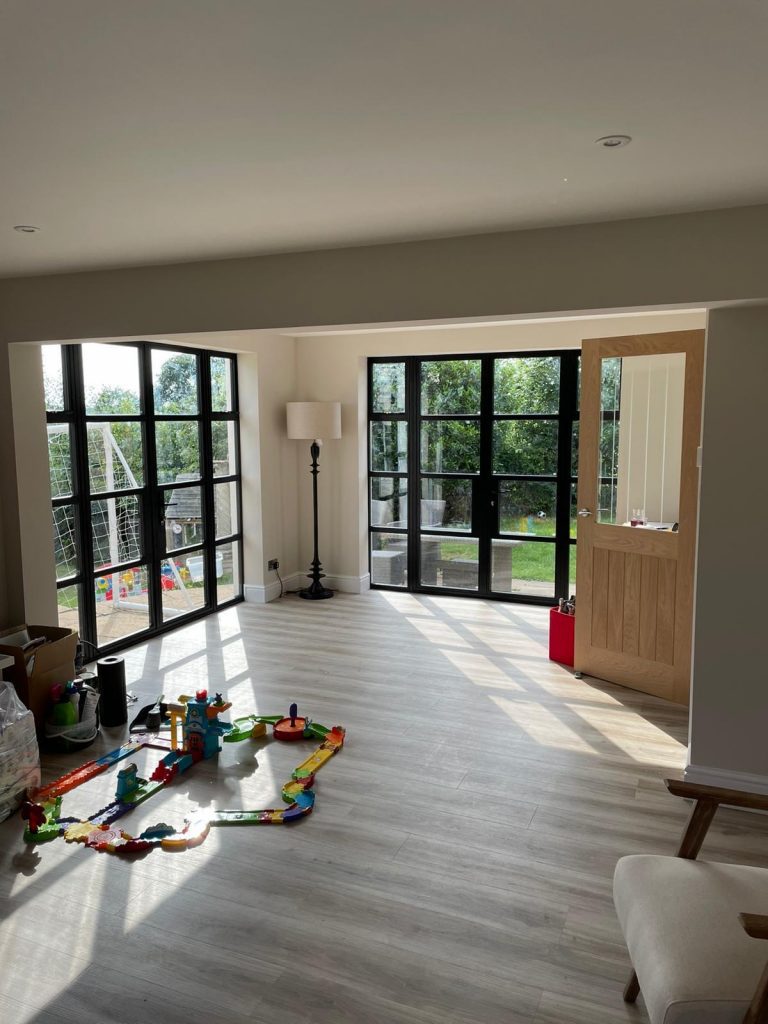

How to Choose the Right Window Material
Choosing the right window material is a crucial decision that affects the aesthetics, energy efficiency, durability, and maintenance of your home. With so many options available, it can be overwhelming to determine which material best suits your needs and preferences. Here’s a comprehensive guide to help you make an informed choice.
- Understand Your Priorities
Before diving into material options, identify what matters most to you:
- Energy efficiency: Do you want windows that help reduce your heating and cooling bills?
- Maintenance: Are you looking for low-maintenance options?
- Durability: Do you want windows that withstand harsh weather conditions?
- Budget: What is your budget range for window installation?
- Style: What look do you want to achieve for your home?
- Common Window Materials
Here are the most popular window materials, along with their pros and cons:
a. Vinyl
- Pros: Affordable, energy-efficient, low maintenance, resistant to moisture and insects.
- Cons: Limited color options, can warp in extreme heat.
b. Wood
- Pros: Classic appearance, excellent insulation, customizable with paint or stain.
- Cons: Requires regular maintenance, susceptible to rot and insect damage, can be expensive.
c. Aluminum
- Pros: Strong, lightweight, slim frames allow for larger glass areas, low maintenance.
- Cons: Poor insulator, prone to condensation, can corrode in salty or humid environments.
d. Fiberglass
- Pros: Extremely durable, resists warping and swelling, energy-efficient, low maintenance.
- Cons: More expensive than vinyl and aluminum, fewer color options.
e. Composite
- Pros: Combines materials to maximize benefits, strong, energy-efficient, low maintenance.
- Cons: Can be pricey, less widely available.
- Consider Climate and Location
Your local climate plays a significant role in material performance:
- In humid or coastal areas, materials resistant to moisture and corrosion like vinyl or fiberglass are preferable.
- In colder climates, materials with good insulation properties such as wood or fiberglass help retain heat.
- For areas with extreme heat, materials that don’t warp or fade easily, like fiberglass or aluminum with thermal breaks, are ideal.
- Evaluate Maintenance Needs
- Wood windows need periodic painting or staining to prevent deterioration.
- Vinyl and fiberglass require minimal upkeep, usually just cleaning.
- Aluminum frames may need occasional checks for corrosion, especially near the ocean.
- Budget Considerations
- Vinyl is typically the most budget-friendly option.
- Wood and fiberglass tend to be mid to high-range in price.
- Aluminum and composite windows often fall into the higher price brackets.
- Aesthetics and Style
- Wood offers a timeless, warm look and can be customized extensively.
- Vinyl windows come in various styles but fewer colors.
- Aluminum frames offer a modern, sleek appearance with slim profiles.
- Fiberglass and composite materials can mimic wood’s look with less maintenance.
- Selecting the right window material involves balancing factors such as energy efficiency, maintenance, durability, budget, and aesthetics. By understanding the strengths and weaknesses of each material and considering your specific needs and local climate, you can choose windows that enhance your home’s beauty and performance for years to come.
Remember to consult with professional window installers to get personalized recommendations and ensure proper installation for optimal results. Happy window shopping!
