


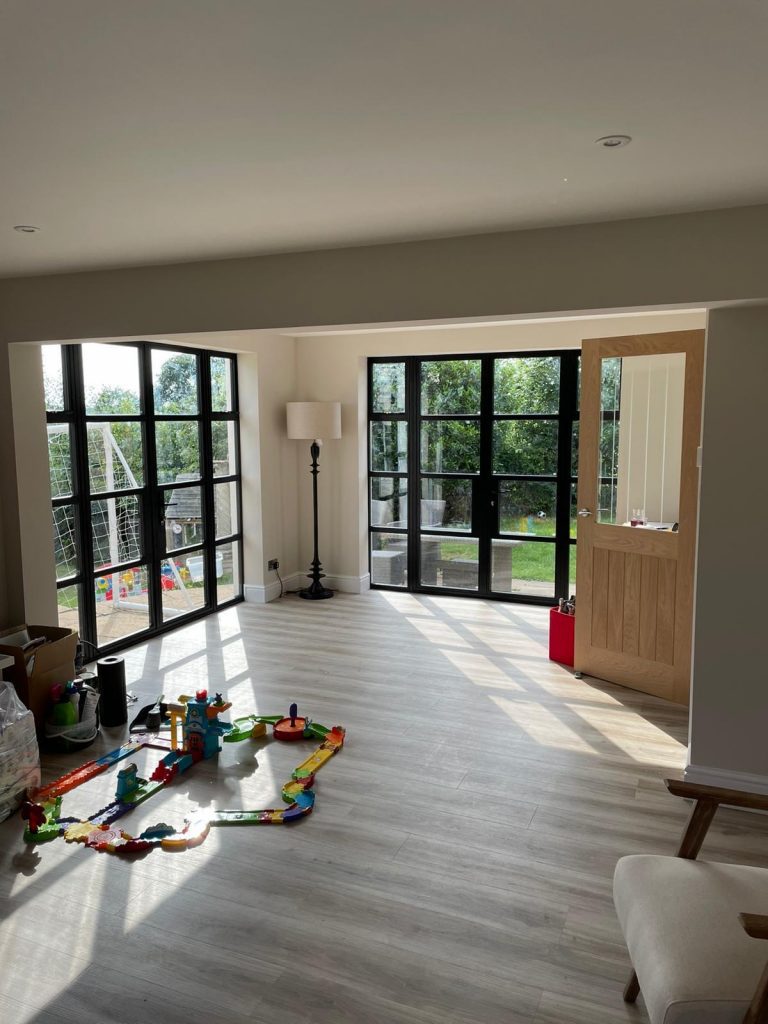

When it comes to choosing window and door frames for your UK home, two of the most popular materials on the market are uPVC and aluminium. Both have their unique advantages and disadvantages, making the decision a little tricky. This blog post will help you weigh the pros and cons of each, so you can make an informed choice that suits your needs, budget, and style preferences.
uPVC stands for unplasticized polyvinyl chloride. It’s a type of plastic commonly used in window and door frames due to its durability, low maintenance, and good insulation properties. uPVC windows and doors have been a staple in UK homes for decades.
Advantages of uPVC:
- Cost-effective: Generally cheaper than aluminium, making it a popular choice for budget-conscious homeowners.
- Excellent insulation: uPVC frames provide good thermal insulation, helping to keep your home warm and energy bills down.
- Low maintenance: Requires minimal upkeep; simply clean with soapy water to keep it looking fresh.
- Variety of styles and colours: Modern uPVC frames come in numerous finishes and can mimic wood grain for a classic look.
Disadvantages of uPVC:
- Less strength: Not as strong as aluminium, so frames can be bulkier and less sleek.
- Environmental concerns: Made from plastic, which is not biodegradable, though many manufacturers now offer recycling programs.
- Can fade or warp: Over time, exposure to harsh sunlight and weather can cause fading or warping.
Aluminium is a lightweight, strong metal widely used in construction, including window and door frames. It’s known for its sleek, modern appearance and durability.
Advantages of Aluminium:
- Strength and durability: Aluminium frames are incredibly strong yet lightweight, allowing for larger panes of glass and slimmer frames.
- Low maintenance: Resistant to rust and corrosion, aluminium requires minimal upkeep.
- Modern aesthetic: Ideal for contemporary homes with its clean lines and slim profiles.
- Recyclable: Aluminium is highly recyclable, making it an environmentally friendlier option.
Disadvantages of Aluminium:
- Higher cost: Usually more expensive than uPVC, which can be a consideration for some homeowners.
- Poor thermal performance: Aluminium conducts heat and cold more readily than uPVC, which can lead to higher energy bills unless thermal breaks are incorporated.
- Condensation risk: Without proper thermal breaks, aluminium frames can be prone to condensation buildup.
The choice between uPVC and aluminium largely depends on your priorities:
- Budget: If you are looking for a cost-effective, energy-efficient option, uPVC is likely the better choice.
- Aesthetic: For a sleek, modern look with slim frames, aluminium is ideal.
- Energy efficiency: uPVC generally outperforms aluminium unless the latter has advanced thermal break technology.
- Environmental impact: Aluminium’s recyclability gives it an edge over uPVC in sustainability.
- Longevity and strength: Aluminium tends to last longer and withstand harsh weather better.
Both uPVC and aluminium window and door frames have their place in UK homes. If you want affordability and insulation, uPVC is an excellent choice. If style, strength, and sustainability are your priorities, aluminium may be worth the investment. Consider your home’s architectural style, your budget, and energy efficiency needs before making your final decision. Consulting with a local supplier or installer can also provide tailored advice to ensure you get the best fit for your home.
